Whole-Home Surge Protection in Chilliwack: Costs, What It Protects + When It Is Worth It
Power surges happen more often than most homeowners realize. In Chilliwack and the Fraser Valley, the average home experiences roughly 20 power surges daily. Most are small, internal surges from appliances cycling on and off. But the big ones, the ones that destroy electronics and damage appliances, come from outside. Windstorms, power outages, utility grid switching, and nearby lightning strikes can send dangerous voltage spikes through your electrical system.
A whole-home surge protector, technically called a Type 2 Surge Protective Device (SPD), is designed to stop these surges before they reach your outlets. It is not a guarantee against every possible electrical event, but for many Chilliwack homeowners, it is a sensible layer of protection that can save thousands of dollars in damaged equipment.
This guide explains what whole-home surge protection does, what it does not do, what it costs in the Fraser Valley, and how to decide if it makes sense for your home.
What Is Whole-Home Surge Protection (and What Counts as a “Surge”)?
A power surge is a brief spike in electrical voltage that exceeds the normal 120 volts running through your home’s circuits. Surges can last microseconds or several seconds, depending on the cause.
Windstorms: The March 2026 windstorm that hit Chilliwack with gusts up to 100 km/h knocked out power to over 14,000 homes. Storms like this damage power lines and equipment, creating voltage irregularities that travel through the grid into homes.
Power restoration: When BC Hydro crews restore power after an outage, the sudden re-energizing of lines can create voltage spikes. These restoration surges are a common cause of appliance damage. If a storm causes an electrical emergency, emergency electrical services are available around the clock.
Utility switching: The electrical grid constantly balances load by switching circuits and transformers. These routine operations create brief voltage fluctuations.
Large motors cycling: Heat pumps, air conditioners, and even refrigerators draw significant power when starting up. When they cycle, they can create smaller surges that affect other devices on the same circuit.
Nearby lightning strikes: A direct lightning strike to your home is rare and largely unstoppable. But lightning striking nearby power lines, transformers, or even trees can induce voltage surges that travel through the electrical system.
A whole-home surge protector is a Type 2 SPD installed at your electrical panel. It monitors incoming voltage and redirects excess energy to ground when a surge occurs, protecting everything downstream.
Whole-Home Surge Protector vs Power Bar Surge Strip: What Is the Difference?
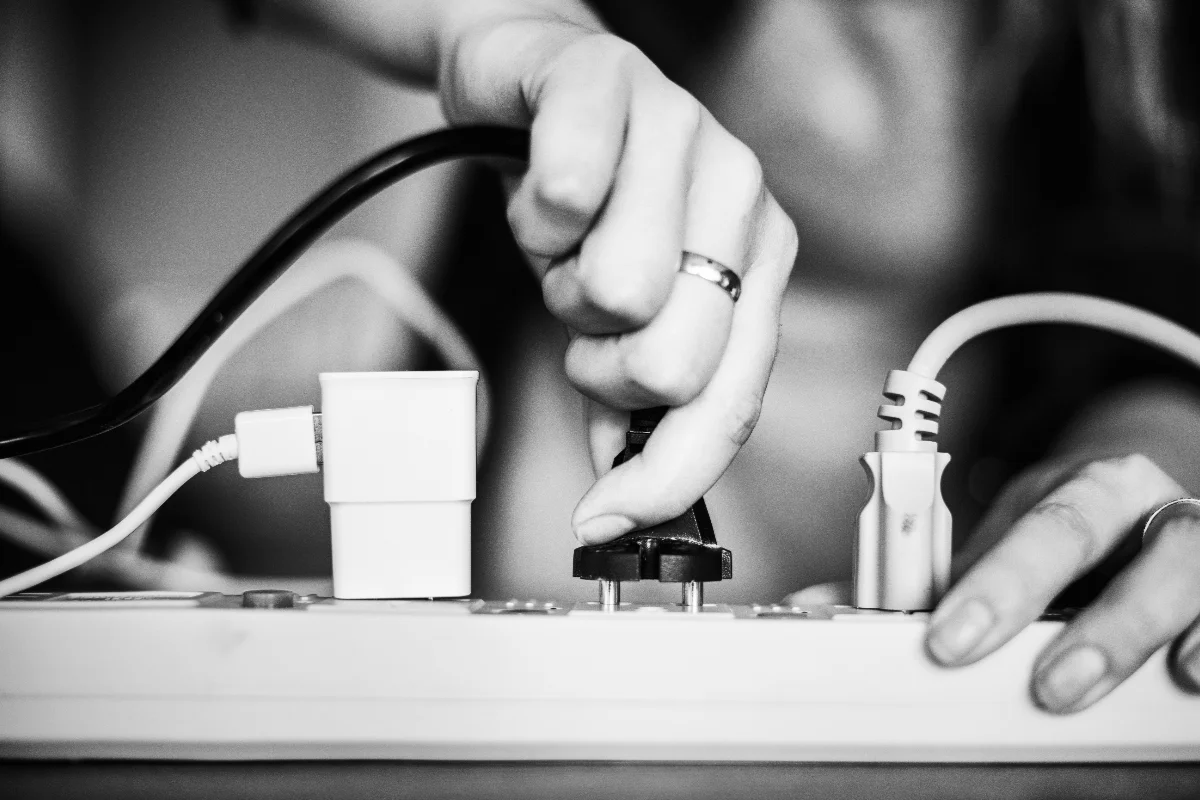
Power bar surge strips are familiar. You plug one in, connect your computer or TV, and assume you are protected. These devices do offer some protection, but they have significant limitations.
Whole-home protection at the panel: A panel-installed SPD protects every circuit in your home simultaneously. Your refrigerator, heat pump, washer, dryer, and hardwired devices like LED lighting and built-in microwaves all receive protection. These appliances cannot plug into power bars, yet they are often the most expensive to replace.
Point-of-use strips: Surge strips protect only what is plugged into them. They also have limited capacity. A severe surge can overwhelm a power bar, destroying both the strip and connected devices. Additionally, power bars offer no protection for surges traveling through other circuits that share the same electrical lines.
The layered approach: Think of surge protection like car safety systems. A whole-home SPD is your seatbelt, providing baseline protection for everything. Power bars with surge protection are your airbags, adding an extra layer for your most sensitive and valuable electronics. Using both together provides better protection than either alone.
For homeowners with computers, home office equipment, entertainment systems, or medical devices, we recommend a whole-home SPD plus quality surge-protected power bars at the point of use.
What Does a Panel-Installed Surge Protector Protect in Your Home?
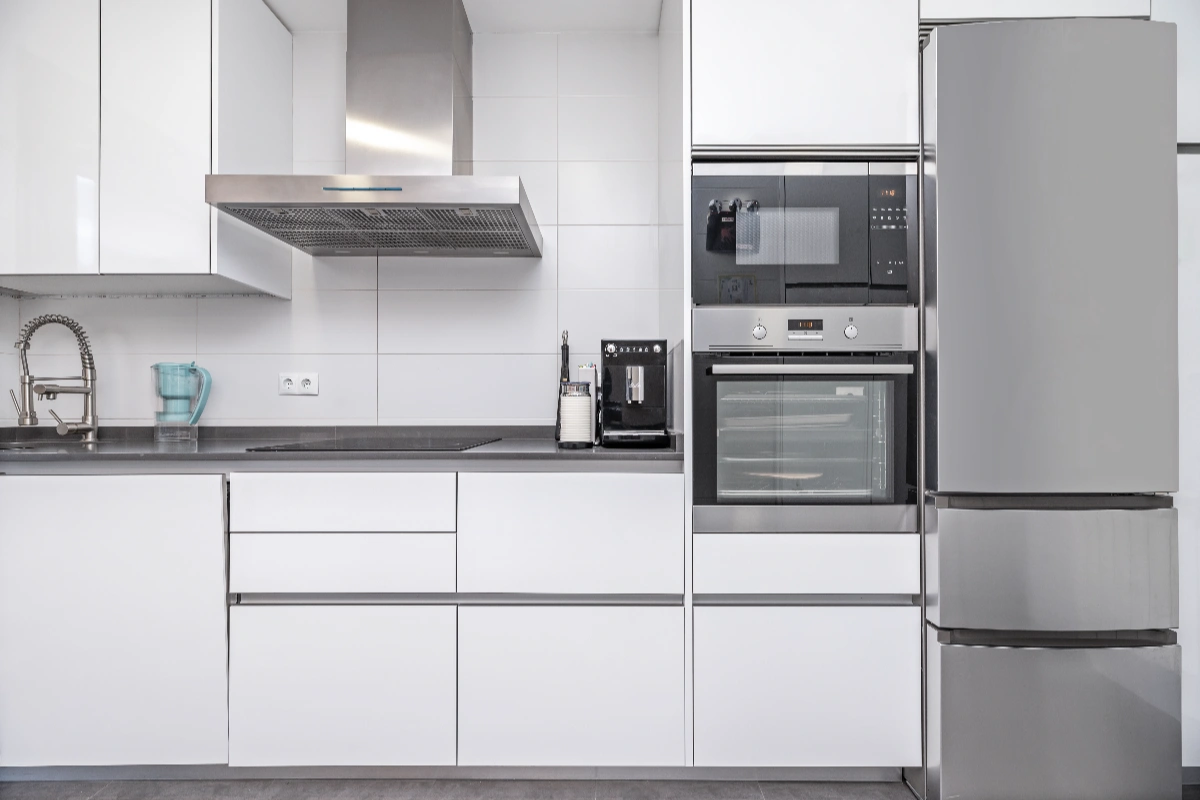
A Type 2 SPD installed at your main electrical panel protects against the surge types that cause the most common and expensive damage.
Major appliances: Refrigerators, freezers, dishwashers, clothes washers and dryers, and ovens all contain electronic control boards vulnerable to voltage spikes. Replacing a control board often costs several hundred dollars. Replacing the entire appliance costs significantly more.
HVAC and heat pumps: Heat pumps and air conditioning systems are particularly sensitive to surges. The compressor motors and control boards represent thousands of dollars in equipment. Chilliwack homeowners rely heavily on heat pumps for both heating and cooling, making this protection especially valuable.
Electronics and home office equipment: Computers, monitors, printers, networking equipment, and smart home devices all contain delicate circuitry. Even if a surge does not destroy the device outright, it can cause gradual degradation or data corruption.
LED lighting: Modern LED bulbs and fixtures contain drivers that convert AC power to the DC power LEDs need. These drivers are sensitive to voltage spikes and are surprisingly expensive to replace in bulk.
What it cannot guarantee: No surge protector can stop a direct lightning strike to your home. The energy involved is simply too great. SPDs also cannot protect against existing wiring defects, faulty appliances, or power outages themselves. They protect against voltage spikes traveling through properly functioning electrical systems.
Do You Need Whole-Home Surge Protection in Chilliwack?
Not every home requires whole-home surge protection, but many Chilliwack and Fraser Valley homeowners benefit from it. Consider these factors:
You have valuable electronics: If your home contains multiple computers, entertainment systems, gaming consoles, or home office equipment, the replacement cost of surge damage adds up quickly.
You work from home: A fried computer or router does not just cost money to replace. It costs productivity. Home office equipment is often essential for income, making protection more critical.
You recently installed or plan to install an EV charger: Electric vehicle chargers are expensive electronic devices permanently connected to your electrical system. Many homeowners add surge protection when installing Level 2 EV chargers to protect this investment.
You experience frequent outages: Chilliwack’s location between the Coast Mountains and the Pacific Ocean creates rapid weather changes. If your neighborhood experiences frequent outages or you live near the end of a power line, your surge exposure is higher.
You want insurance peace of mind: Some insurance policies cover surge damage, but claims processes are slow and deductibles apply. Prevention is simpler than replacement and paperwork.
You are planning other electrical work: If you are already upgrading your panel, adding circuits, or renovating, installing an SPD at the same time reduces labor costs and provides immediate protection for your investment.
Whole-Home Surge Protection Cost in Chilliwack
For a typical Fraser Valley home, installing a whole-home Type 2 SPD costs between $300 and $800. This range includes the device, labor, and permit.
SPD capacity: Surge protectors are rated by their surge current capacity, measured in kiloamperes (kA). Higher ratings provide better protection and longer service life. A basic 40kA unit costs less than a premium 80kA or 108kA unit from manufacturers like Eaton or Siemens.
Panel accessibility: If your electrical panel is easily accessible in a garage or basement, installation is straightforward. Panels tucked into tight closets, behind stored items, or in crawl spaces require more time and increase labor costs.
Panel condition: Older panels or those without available breaker spaces may need minor modifications to accommodate the SPD. Significant panel limitations might indicate it is time for an upgrade anyway.
Permit and inspection: Electrical permits in BC typically cost $300 to $400. The permit triggers an inspection to verify code-compliant installation. This is not optional, and it protects your warranty and insurance coverage.
Bundled work: Installing an SPD during a panel upgrade, EV charger installation, or other electrical work reduces the incremental cost because the electrician is already on site.
Installation Basics: Where It Goes, Permits, and Inspection
A Type 2 SPD installs directly at your main electrical panel, typically on a dedicated double-pole breaker. The device monitors all incoming power and diverts surge energy to ground through your home’s grounding system.
Why you need a licensed electrician: Working inside a live electrical panel is dangerous and requires training. More importantly, BC law requires electrical permits for this type of work. A homeowner cannot legally install their own whole-home surge protector.
Licensed electricians understand the BC Electrical Code requirements, properly size the SPD for your system, ensure adequate grounding, and coordinate the required inspection. This protects your safety, your warranty, and your insurance coverage.
The inspection process: After installation, a safety officer inspects the work to confirm it meets code. They verify proper breaker sizing, adequate grounding, correct wiring practices, and that the SPD is appropriate for your electrical service. Once approved, you receive documentation for your records.
When to Pair Surge Protection with a Panel Upgrade
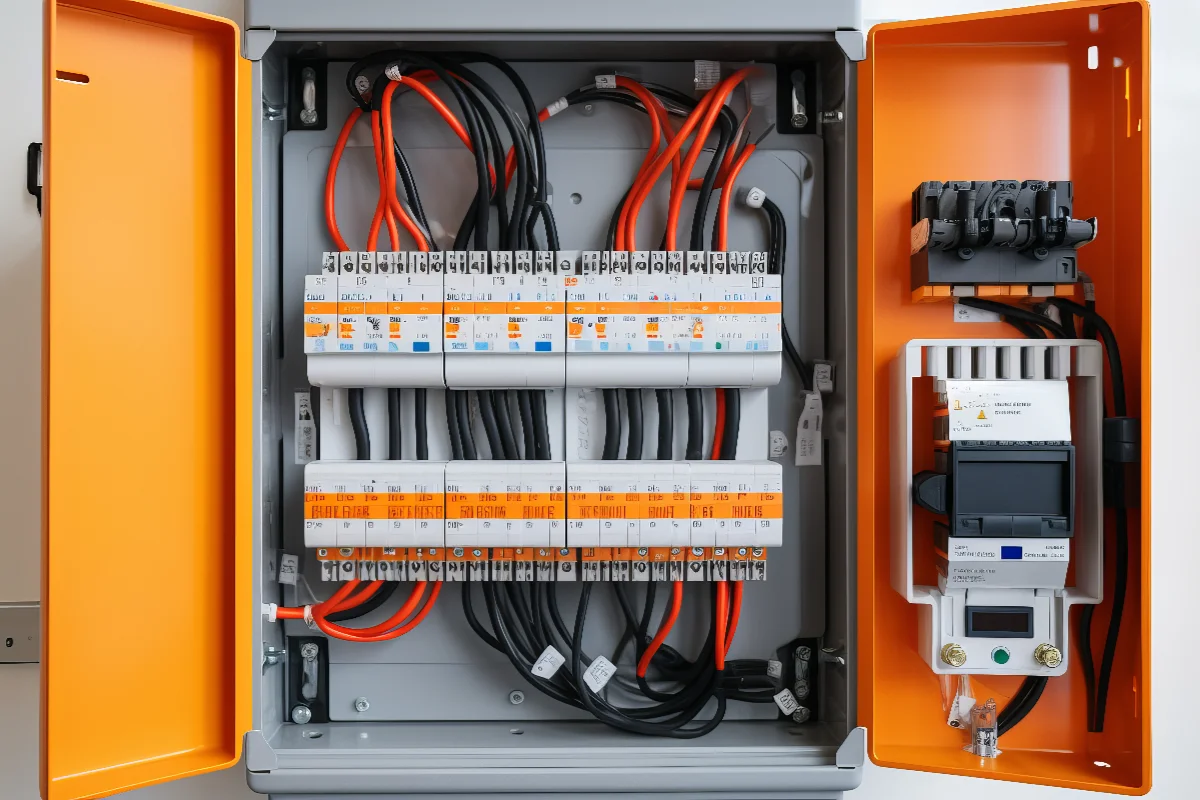
Sometimes installing an SPD reveals or coincides with other electrical needs. Consider a panel upgrade consultation if you notice any of these signs:
Your panel is full: If there are no available breaker spaces for the SPD or future circuits, your panel is undersized for your current needs, let alone future additions.
Frequent breaker trips: Breakers that trip regularly indicate overloaded circuits or underlying electrical issues. A surge protector will not fix this. The root cause needs investigation.
Outdated equipment: Federal Pacific, Zinsco, and certain older Challenger panels have known safety issues. If your home has one of these, replacement is a higher priority than surge protection.
Planning major additions: If you are adding an EV charger, basement suite, hot tub, or significant new circuits, your existing panel may not have adequate capacity. Upgrading the panel and adding surge protection together makes sense.
Flickering lights: Lights that dim when appliances start or flicker randomly suggest voltage instability or loose connections. These issues need professional assessment beyond surge protection.
Taurus Electric provides panel upgrade services throughout Chilliwack and the Fraser Valley. If your inspection reveals the need for larger changes, we can provide a comprehensive quote for upgrading your service and adding surge protection simultaneously.
Frequently Asked Questions
How long do SPDs last? Most whole-home surge protectors last 5 to 10 years, though lifespan varies based on surge exposure. Each surge the device absorbs degrades its internal components slightly. High-quality units have indicator lights showing protection status. When the light goes out, replacement is needed.
Does whole-home surge protection stop all surges? No. It significantly reduces surge damage from most common causes, but it cannot stop a direct lightning strike. It also does not protect against power outages, brownouts, or wiring defects.
Will it reduce breaker trips? Usually not. Breaker trips typically indicate overloaded circuits, short circuits, or ground faults. These are separate issues from surge protection. If your breakers trip frequently, you need an electrical safety inspection.
Is it worth it if I already have surge strips? Yes. Surge strips protect specific devices. Whole-home protection covers hardwired appliances, your electrical system itself, and provides a first line of defense that reduces the burden on your power bars.
Can I install it myself? No. BC law requires a licensed electrician and proper permits for this type of electrical work. Self-installation voids warranties, compromises insurance coverage, and creates serious safety risks.
Do new homes come with surge protection? Not automatically in BC, though the 2020 US National Electrical Code made it mandatory for new homes there. Canadian codes currently leave it optional, though increasingly recommended by electricians.
Protecting Your Fraser Valley Home
Whole-home surge protection is not a luxury or an upsell. For many Chilliwack homeowners, it is practical insurance against the power quality issues that come with our geography and weather patterns. The Fraser Valley experiences more frequent outages and grid stress than many parts of BC. Adding a layer of protection for your expensive appliances and electronics makes financial sense.
The decision ultimately depends on what you have to protect, your risk tolerance, and whether you are already planning other electrical work. A quick assessment from a licensed electrician clarifies your options and costs.
Taurus Electric serves Chilliwack, Sardis, Vedder, Rosedale, and surrounding Fraser Valley communities. Our Red Seal electricians handle everything from surge protector installation to full panel upgrades, always with proper permits and code-compliant work.
Book an electrical assessment for whole-home surge protection in Chilliwack. We will inspect your panel, discuss your protection needs, and provide a clear quote for installation. If your electrical system needs additional work, we will explain your options without pressure.
For homes experiencing flickering lights, frequent breaker trips, or planning major electrical additions, ask about our electrical safety inspections and panel upgrade consultations.