Before You Upgrade Your Panel for a Heat Pump: A Fraser Valley Homeowner's Checklist
If you are looking at a heat pump rebate and your electrician says the panel may need work, slow down for a minute. Not because the project is a bad idea. Because the order matters.
In Fraser Valley homes, especially older houses in Chilliwack, Abbotsford, Mission, Hope, and Langley, the electrical side can decide the schedule, the budget, and sometimes whether a rebate claim survives review. Taurus Electric's main CleanBC rebates electrical upgrades page is the place to go when you are ready to talk through the work itself. This checklist is the step before that: what to sort out before you book a heat pump, approve a panel quote, or assume a service upgrade will be covered.
Checked October 13, 2026. Program rules change, so use the official Better Homes Energy Savings Program requirements as the final source for rebate eligibility.
Start With the Project, Not the Panel
A panel upgrade can be necessary for a heat pump, an EV charger, a heat pump water heater, or a bigger electrical retrofit. That does not automatically make the panel upgrade a rebate item.
The current CleanBC Energy Savings Program electrical service upgrade rebate is tied to a narrower situation: a home converting from fossil fuel primary space heating or water heating to a heat pump, with the electrical utility upgrading the service wire to 100, 200, or 400 amps. The official requirements also say panel or sub-panel work without a utility electric service upgrade is not eligible for the electrical service upgrade rebate.
That is the distinction people miss. A panel upgrade might be the practical thing your home needs. A utility service upgrade is the rebate category with specific program rules. They can overlap, but they are not the same thing.
Figure Out Which Electrical Problem You Actually Have
Before anyone prices the job properly, you need to know whether the problem is panel space, panel condition, service capacity, or the utility connection.
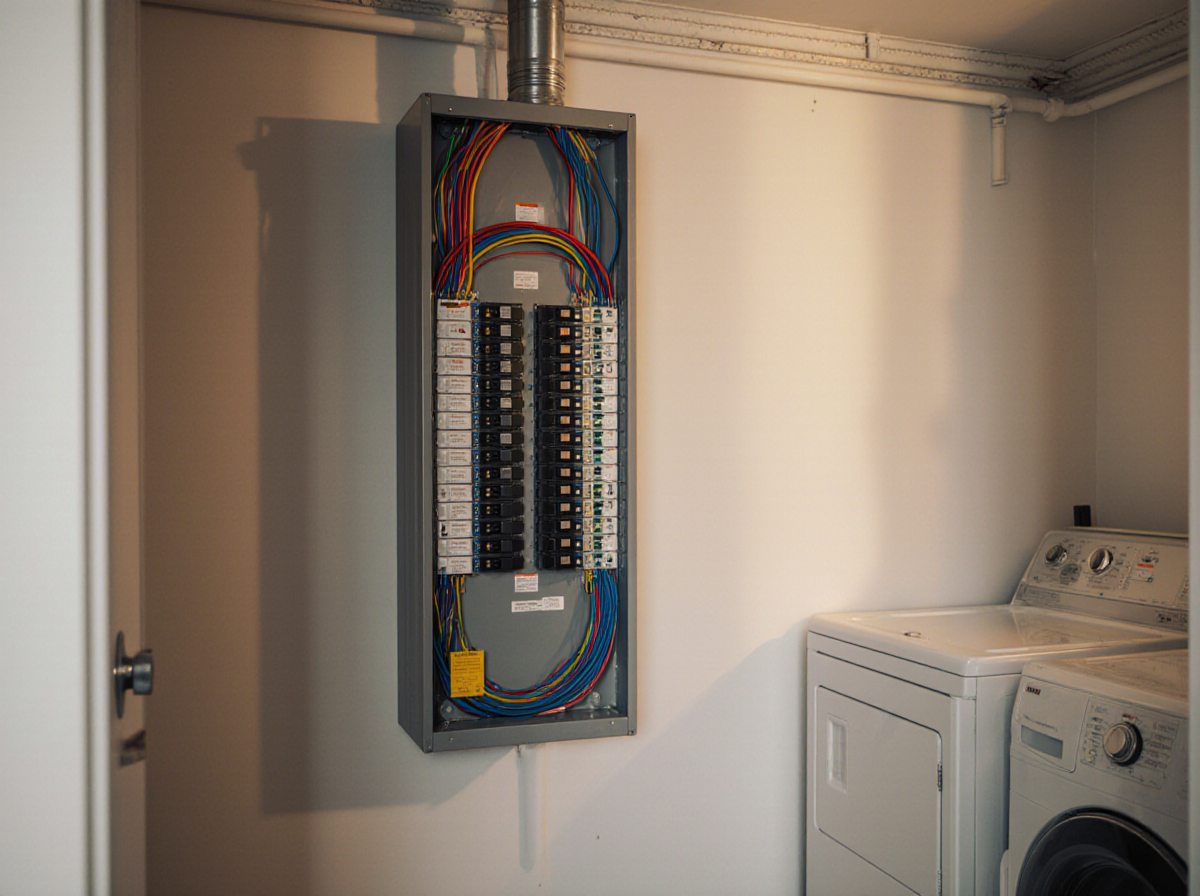
If your panel is full, the issue may be that there is no room for the new two-pole breaker a heat pump needs. If the panel is old, damaged, or an obsolete brand, the issue may be safety and replacement. If the home is on 60 amp or 100 amp service, the issue may be total capacity. If the heat pump project pushes the home beyond what the existing utility service can supply, then you may be into a service upgrade that involves BC Hydro or FortisBC.
That is why a real load calculation matters. A heat pump, dryer, stove, EV charger, suite load, hot tub, or future induction range can change the answer. This is not a DIY judgement call. A licensed electrician needs to look at the actual service, panel, loads, and code requirements.
Check Eligibility Before Work Starts
If the Energy Savings Program might apply, do the paperwork before the electrical work starts. Current Better Homes requirements say participants must pre-register and confirm eligibility before installing upgrades. For applications received on or after July 6, 2026, eligibility codes are valid for upgrades completed within three months of approval. If that window passes, the homeowner has to re-apply.
That three-month code window is separate from the electrical service upgrade timing rule. For the service upgrade rebate, the upgraded utility service must be installed within six months of the heat pump installation. In plain English: approval timing and project timing are both real. Do not blend them together and hope it works out later.
The income and property rules are also not static. The official table changes by household size and income tier, and the current requirements include assessed-value caps for all three ESP levels for applications on or after April 1, 2026. Older advice saying there is no ESP3 property cap is outdated. Link to the official table in your project notes instead of copying old numbers into your budget.
Know Who Does What
A heat pump project usually has at least three roles: the homeowner, the heat pump contractor, and the electrician. Sometimes the electrical utility is involved too.
The homeowner handles the program application and personal eligibility details. The heat pump contractor sizes and installs the heat pump equipment. The electrician checks the existing electrical system, handles permits and electrical code work, installs circuits or panels where needed, and coordinates the electrical side with the heat pump plan.
For an ESP electrical service upgrade, the official requirements add another layer. The electrician and/or heat pump contractor completing the service upgrade must manage the line upgrade with BC Hydro or FortisBC. The program also requires the work to be supplied and installed by a Registered Contractor approved for the relevant ESP upgrade. That is different from simply being a licensed electrical contractor. Before relying on the rebate, confirm which contractor is registered for which part of the program.
Taurus Electric can help with the electrical side of the conversation: panel condition, service capacity, code requirements, permits, load calculations, and whether the home is electrically ready for the heat pump plan. The program registration decision still has to follow the official Better Homes rules.
Get the Documents in Order Early
Rebate projects go sideways when the documentation is treated as an afterthought. Before the job is scheduled, keep a simple folder with the program approval, eligibility code, heat pump quote, electrical quote, utility correspondence if a line upgrade is needed, permits, inspection records, and the invoices that show the actual scope of work.
For the electrical service upgrade rebate, the official requirements point to a utility bill or invoice for the 100, 200, or 400 amp service upgrade. If the contractor is billed by the utility for the line upgrade, the contractor and utility work must be on one invoice. That is a small detail, but small details are exactly where rebate files get messy.
Keep the invoice language plain and specific. It should be clear whether the work was a panel replacement, sub-panel, service mast change, meter base work, utility connection, labour, or heat pump connection. Vague invoices are not your friend when someone reviews the file months later.
Use This Quick Decision Sequence
First, decide what the actual upgrade is. A heat pump project has different rules than an EV charger or a general panel replacement.
Second, check whether the home is changing from fossil fuel primary space or water heating to a heat pump. If not, the current ESP electrical service upgrade rebate may not be the right bucket.
Third, find out whether BC Hydro or FortisBC needs to upgrade the service wire. If the answer is no, panel work may still be needed, but the official ESP electrical service upgrade rebate rules say panel-only work is not eligible under that rebate.
Fourth, confirm the program path before signing work orders. Pre-registration, eligibility codes, contractor registration, utility involvement, and timing all matter.
Fifth, have the electrical system checked before the heat pump booking gets too far along. It is much better to know about a service upgrade at the planning stage than after the HVAC equipment is picked and the install date is already on the calendar.
When to Bring in Taurus Electric
Bring in an electrician when you do not know the panel size, the panel is full, the home is older, the heat pump quote mentions electrical capacity, the project may need a new 240 volt circuit, or the utility may need to increase service capacity.
If the home is in Chilliwack, Abbotsford, or elsewhere in the Fraser Valley, Taurus Electric can review the electrical side and help you understand whether you are dealing with a simple circuit, a panel upgrade, or a full service upgrade. If you are ready to move from checklist to project planning, start with Taurus Electric's CleanBC electrical upgrades guide, then line up the electrical review before the schedule gets tight.